Molasses Farm, South India
06.04.2026
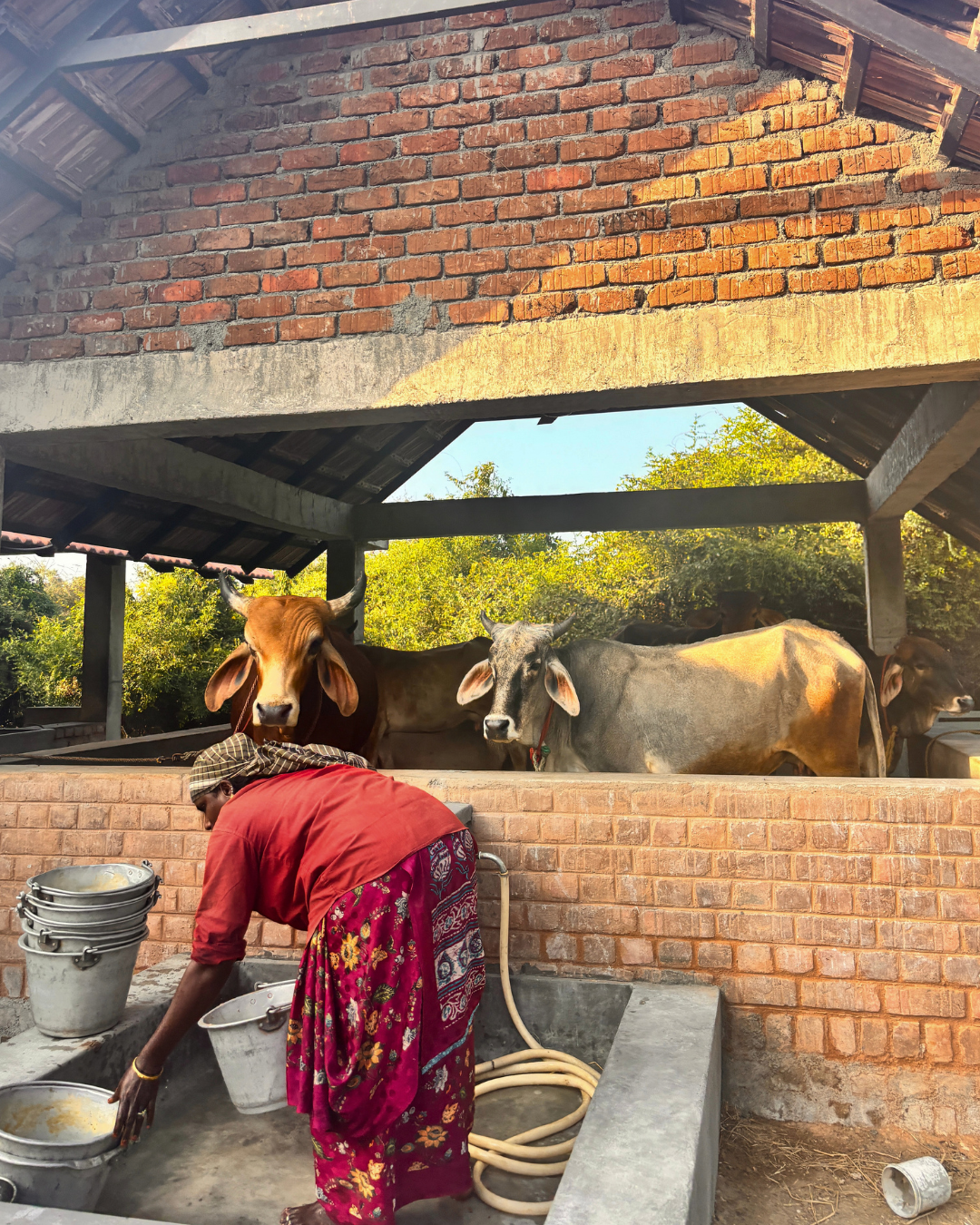
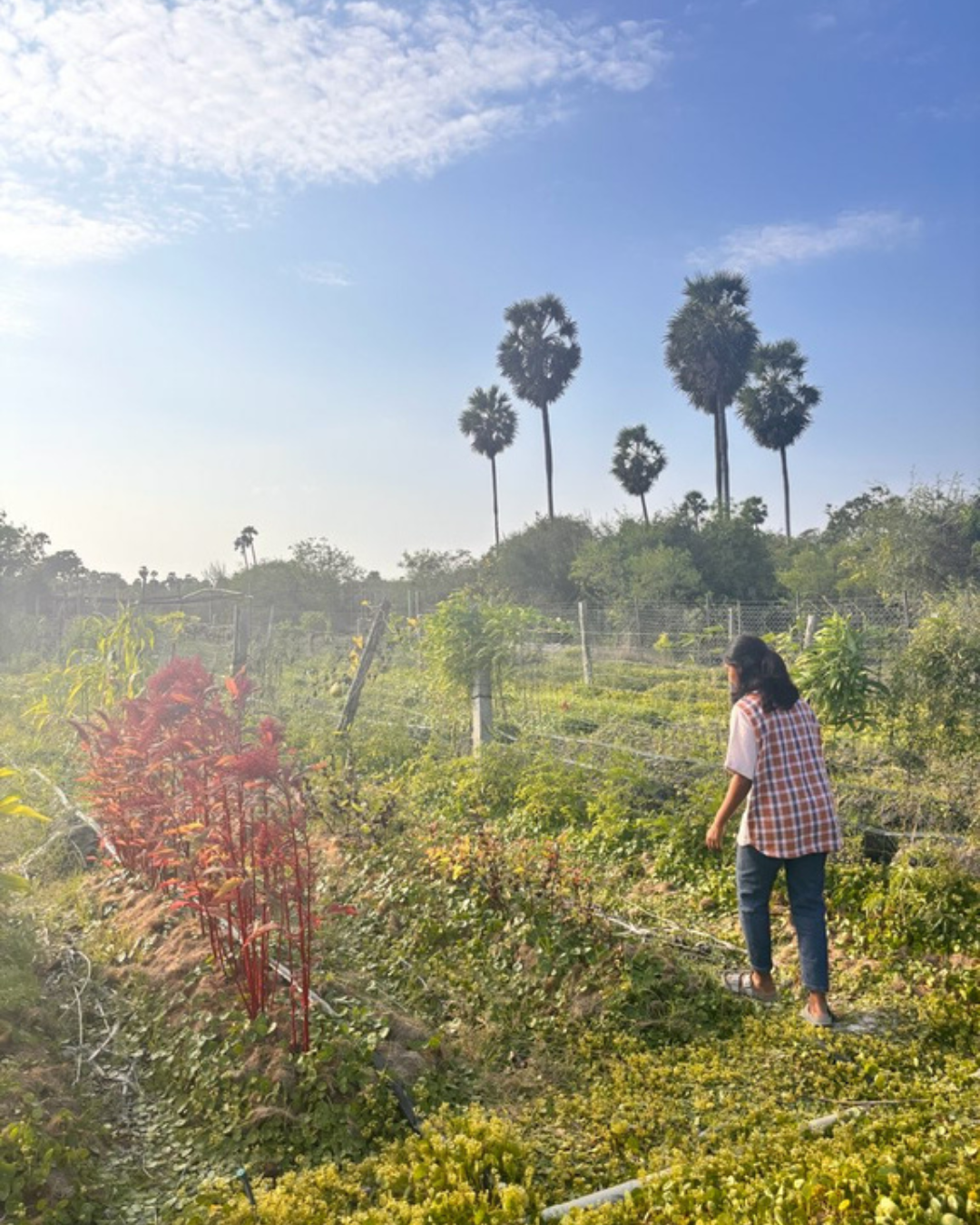
Spending time at Molasses Farm felt less like visiting a land development project and more like stepping into a thriving, breathing ecosystem- one where food, architecture, energy, and community all bloom together through patience, intention, and care.
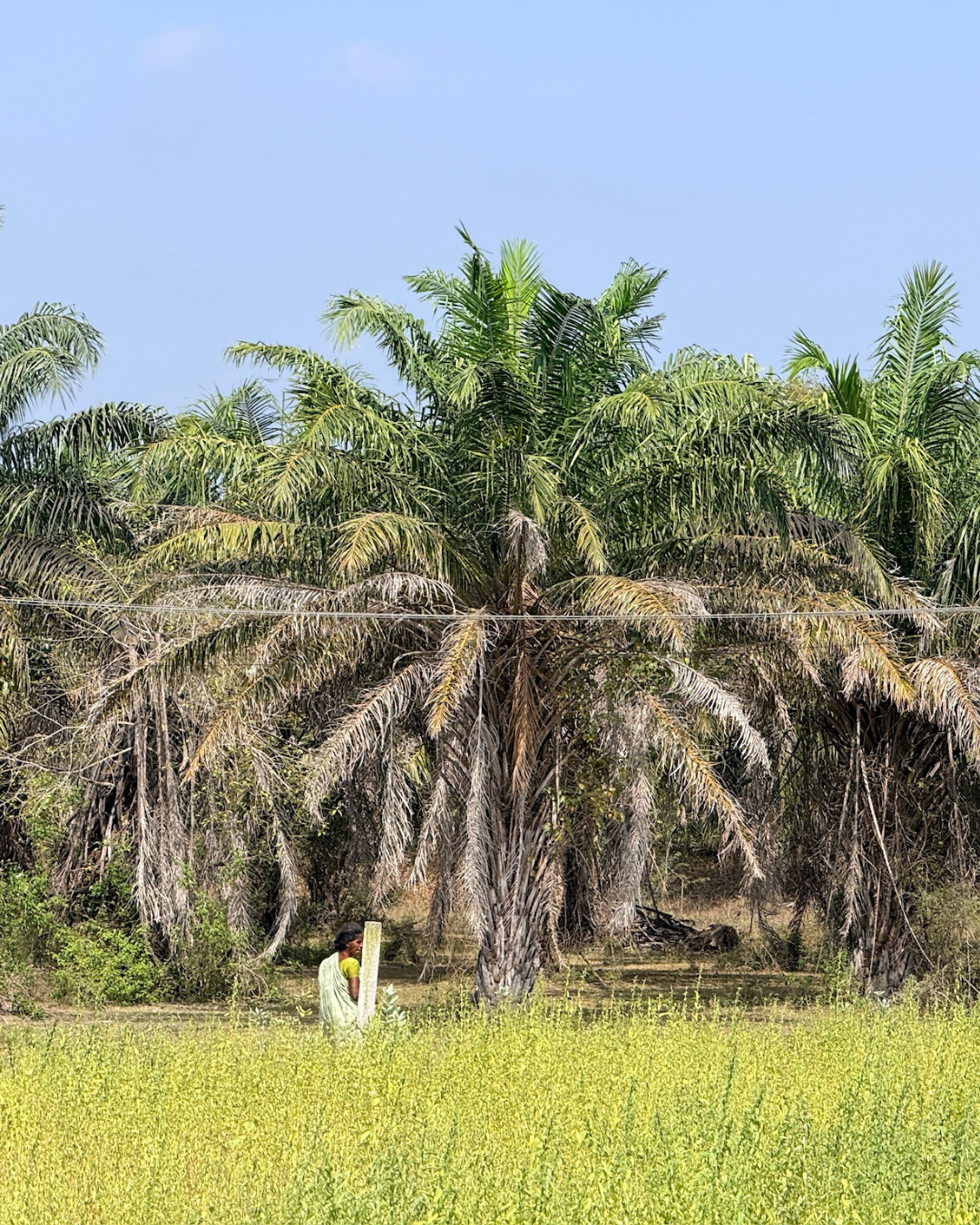
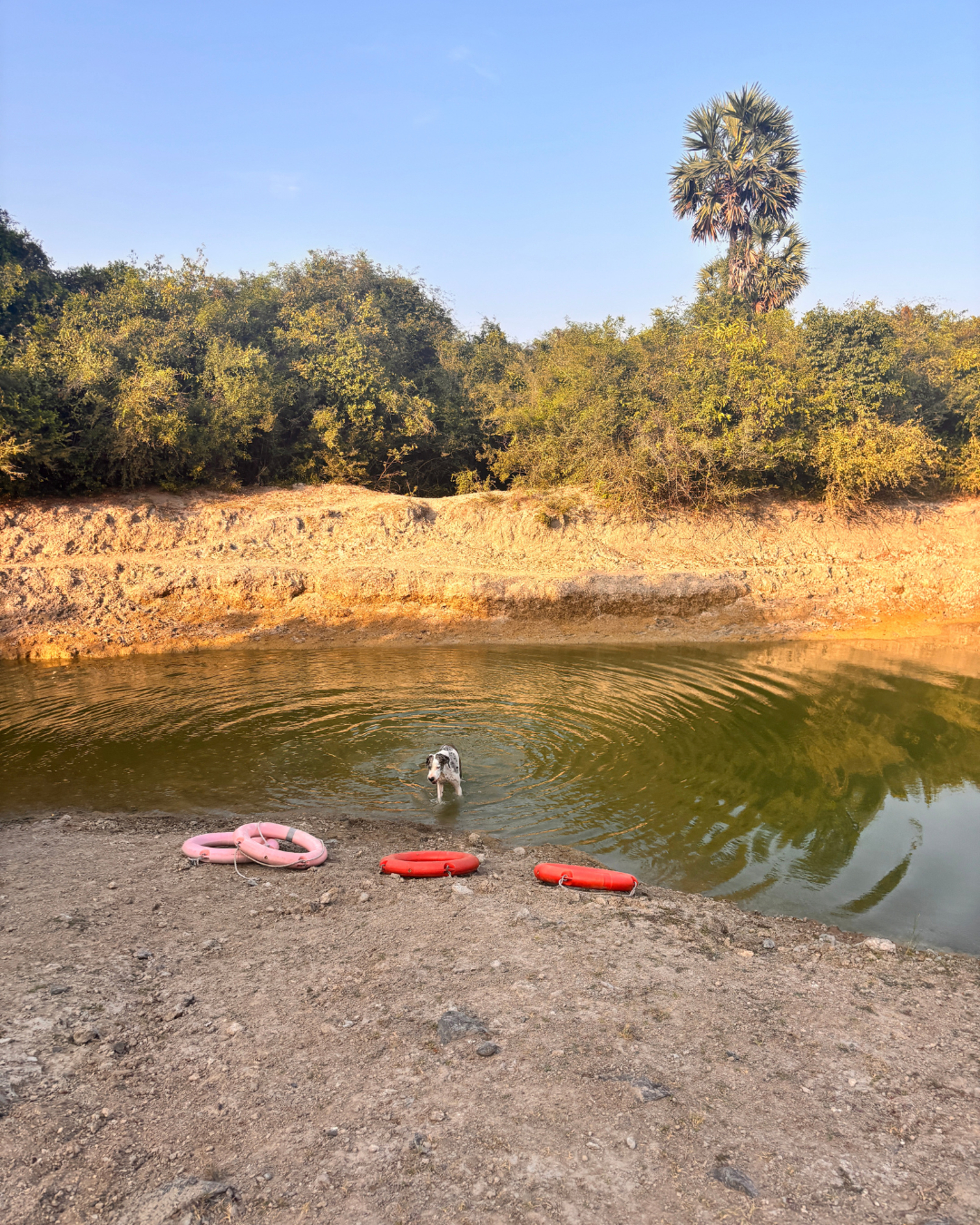
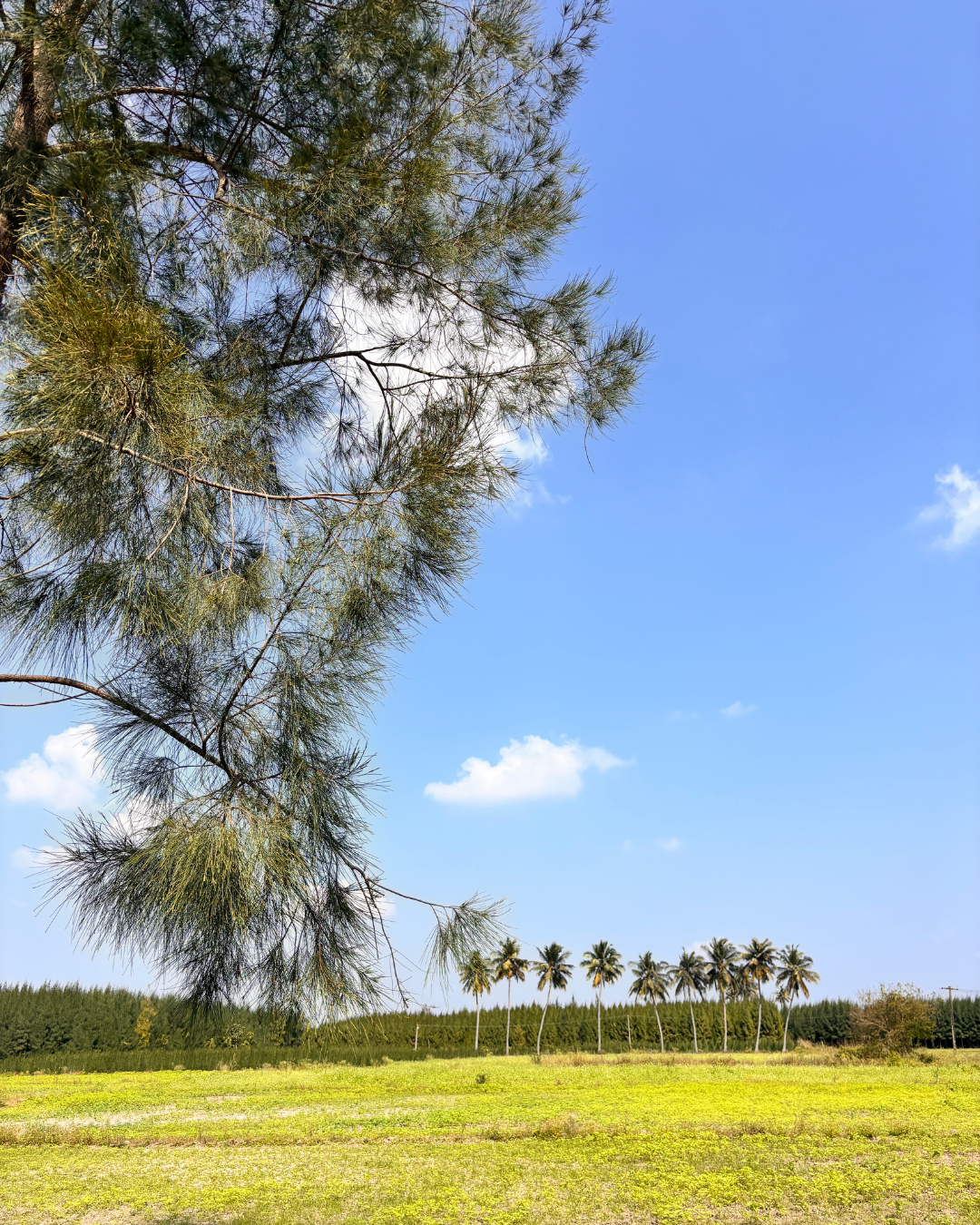
Molasses is a closed-loop, self-sustaining farm and restaurant in Tindivanam, South India, built on a simple but radical belief: that land, when listened to, provides everything you need. What is now known as Aranyaka Forest, from the Sanskrit meaning belonging to the wilderness, was once 25 acres of degraded, barren land. Over the past 15 years, it underwent deliberate restoration of native trees, plant species, and water retention systems. Slowly, carefully, the land found its way back to its roots.
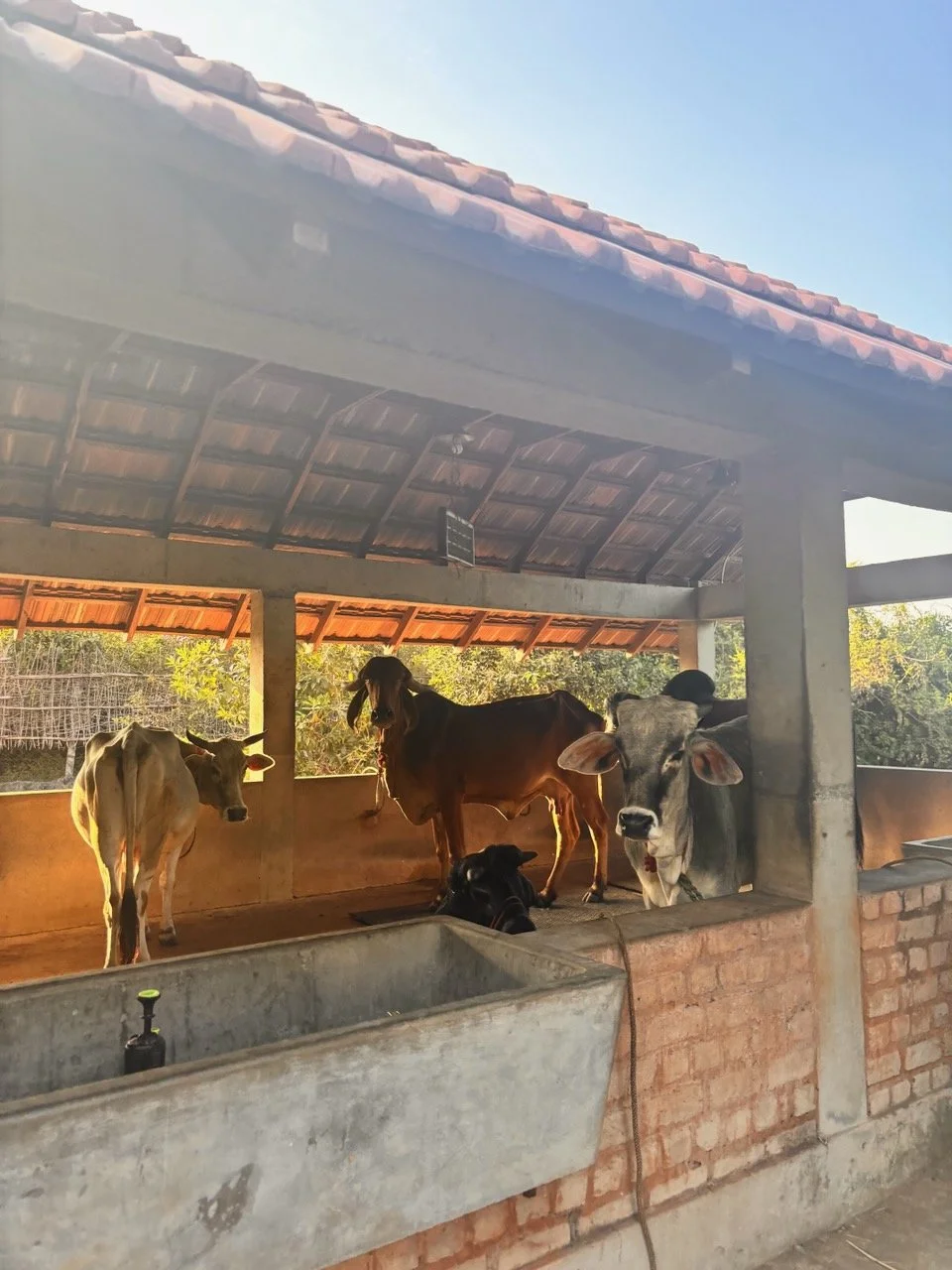
We spoke with the farm owner who nurtured this transformation, Rachna Rao, who has a background in business and sustainable tourism. Her path here wasn't through agriculture, but just like the land she stewards, she adapted. Molasses was built through observation, trial, and time. The farm operates as a connected system, where each element supports another.
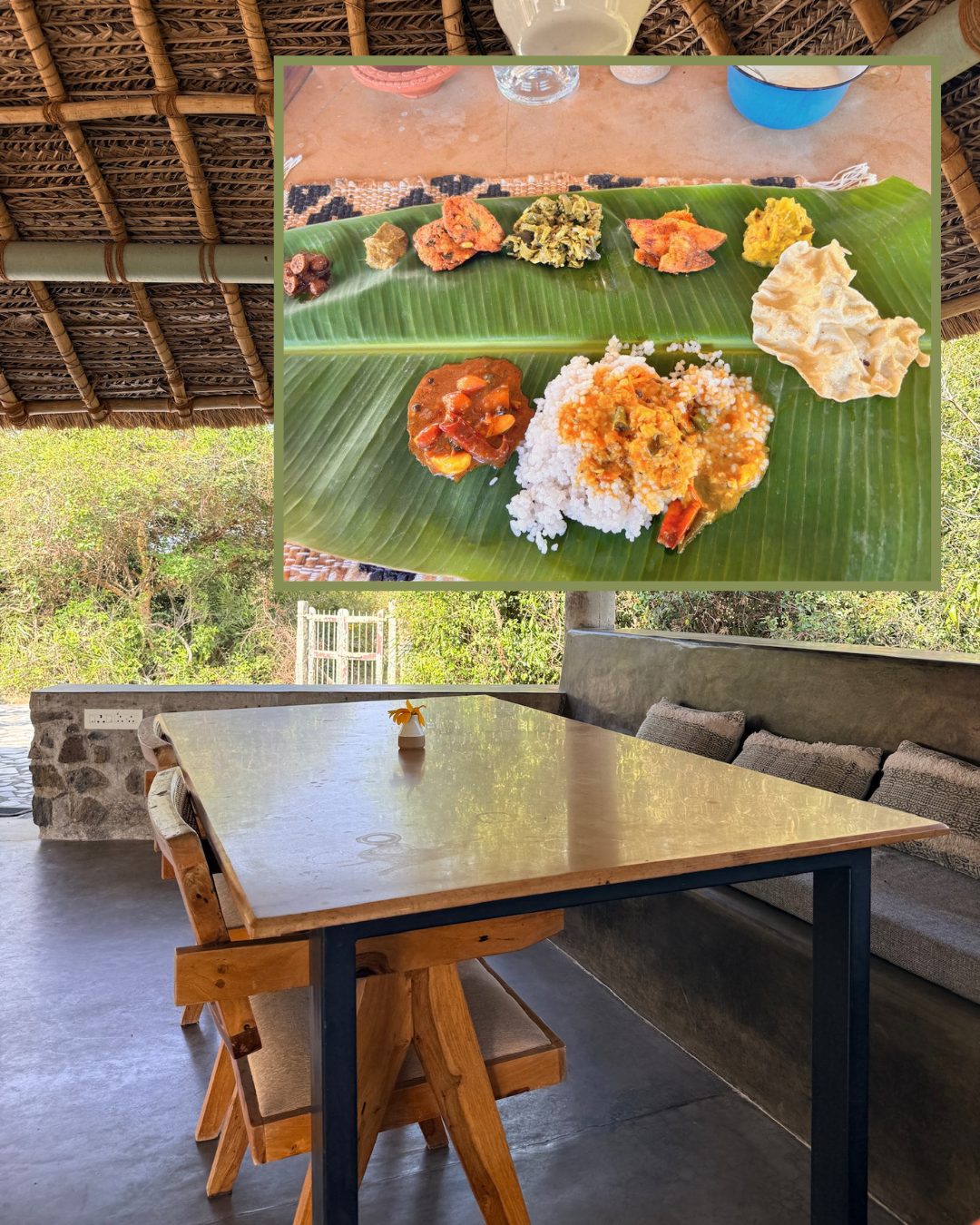
The food at Molasses is largely vegetarian and entirely seasonal. Every grain, lentil, and pickle on the plate comes from the surrounding property. Even the plate itself, the banana leaf, has been used across South India for centuries. Naturally antibacterial, fully biodegradable, and grown on the farm, it embodies the same philosophy that runs through everything here. Nothing is brought in that doesn't need to be. When the meal is over, it goes back to the earth.
From traditional construction methods to locally sourced food, Molasses is built to operate independently while supporting the community around it. Solar panels power the entire farm and return surplus energy back to the grid, making it net-positive. Beneath the land, a reservoir they dug themselves draws from the earth's own groundwater, feeding the farm without reaching beyond what's already there. Molasses doesn't just reduce its footprint, it actively gives back.
At its core, Molasses was never meant to be a project. It was meant to be a place to live. "I moved here because I wanted it to be my home, and everything else grew from that." What becomes possible when you stop treating land as a resource and start treating it as a collaborator is exactly what you find here, a place that feels alive, not controlled or extracted from, but nurtured in harmony with its surroundings.
It leaves you with a question that lingers long after you leave: what would our lifestyles look like if we treated land less as property, and more as an ecosystem we actively live with, care for, and learn from?
A huge thank you to Rachna and the team at Molasses for hosting and for sharing the incredible story behind how this ecosystem came to life. Follow their journey at @molasses_india.
Volunteered and Interviewed by Tanya Sharma